

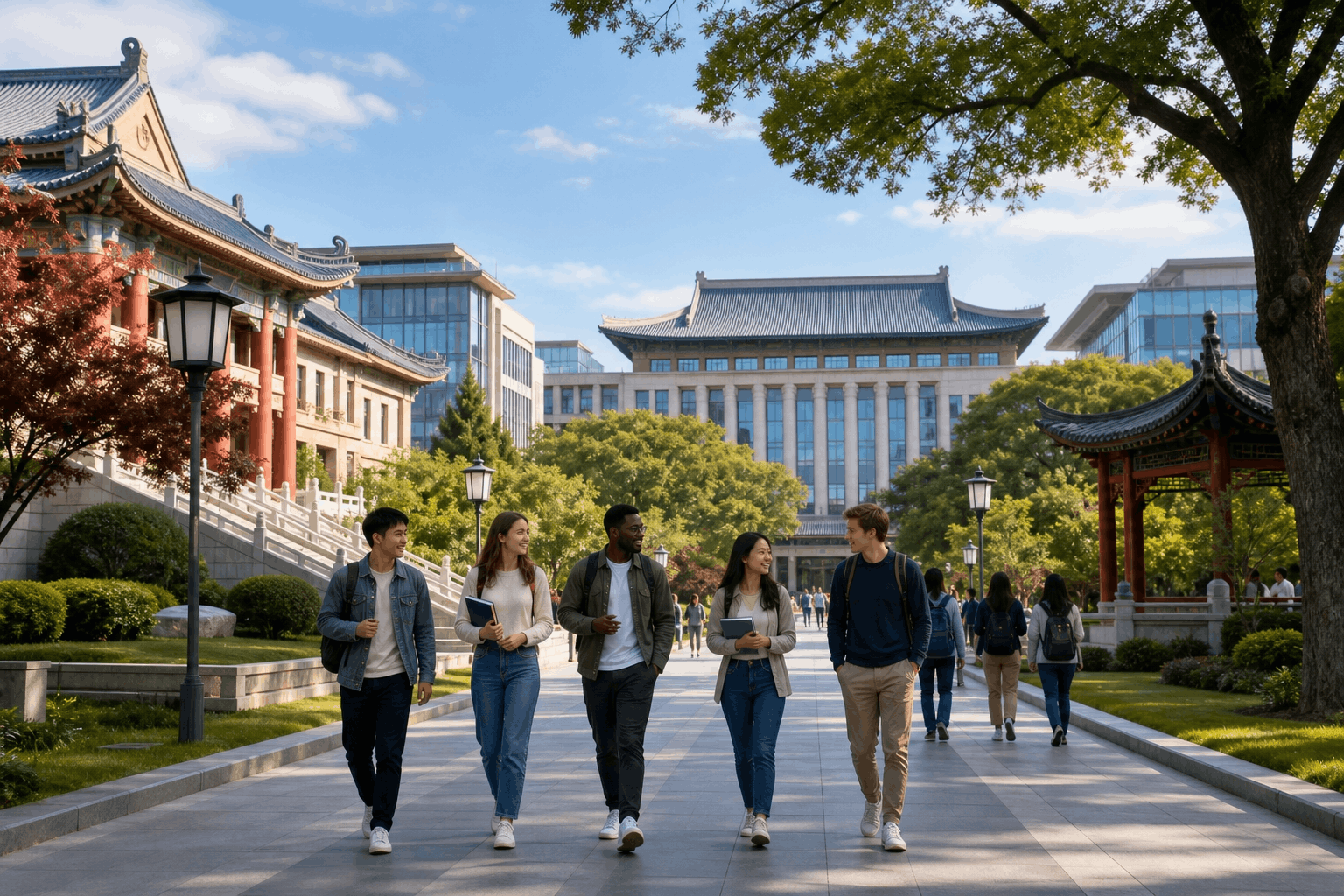
Study in China
Whether you are planning to study in China from Malaysia or are based in Singapore, we help you choose the right university, language route, and application pathway.
Why Study in China?
Top-Ranked Universities
Globally ranked universities
Tsinghua and Peking University rank among the global top 20 (QS 2026). China now has more universities in the world top 100 than any country except the US and UK.
Reported Graduate Employment
Strong career outcomes
Over 86% of Tsinghua graduates enter key industries, including technology, energy, engineering, and finance. Graduates from top Chinese universities are increasingly sought after across Asia.
Affordable with good ROI
High ROI education
Tuition at top Chinese universities ranges from CNY 20,000 to 45,000 per year (roughly SGD 4,000 to 9,000). A fraction of comparable programmes in the West.
Gateway to Asia's Job Market
Gateway to the world's second-largest economy
China leads globally in AI, renewable energy, e-commerce, and manufacturing. Students gain direct exposure to the industries shaping Asia's next decade.
Top Chinese Universities
The decision to study in China for Malaysian, Singaporean and Asian students starts with the right choice of a Chinese university. Below are the top-tier Double First-Class institutions most relevant to ASEAN applicants.
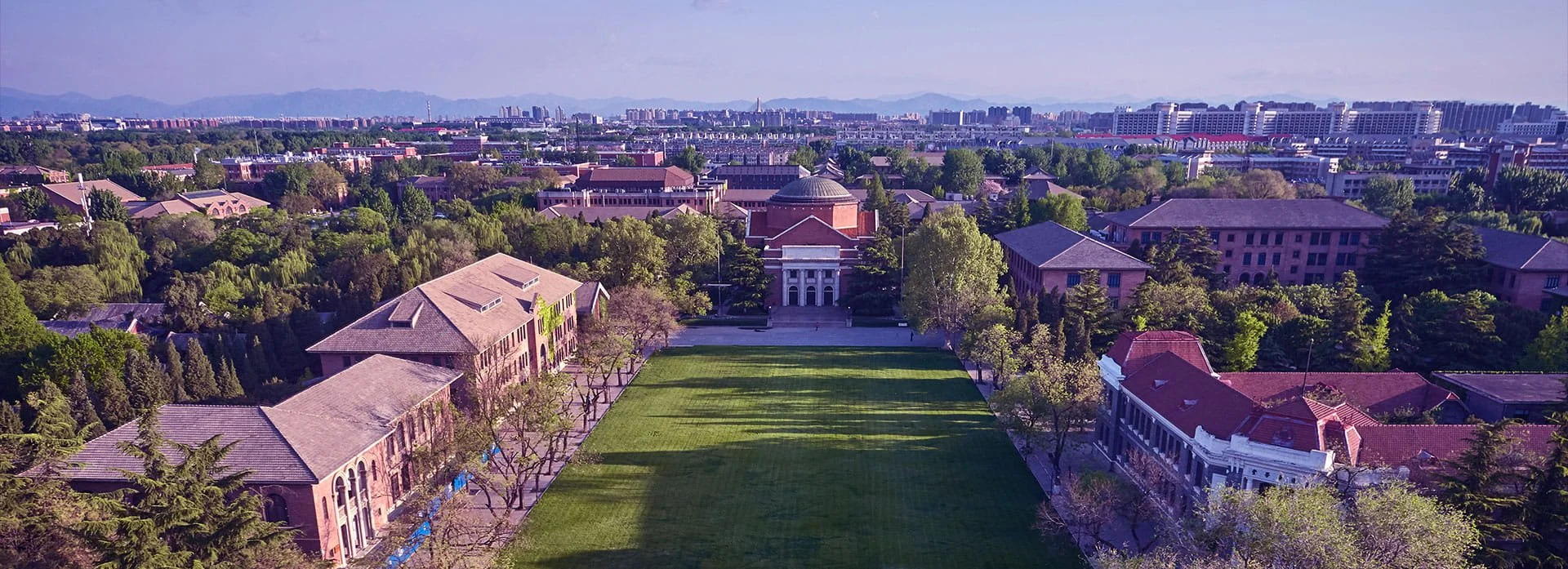
Tsinghua University, Beijing
QS 2026: 17th globally. China's top-ranked university for engineering, computing, and technology. Extremely competitive entry.
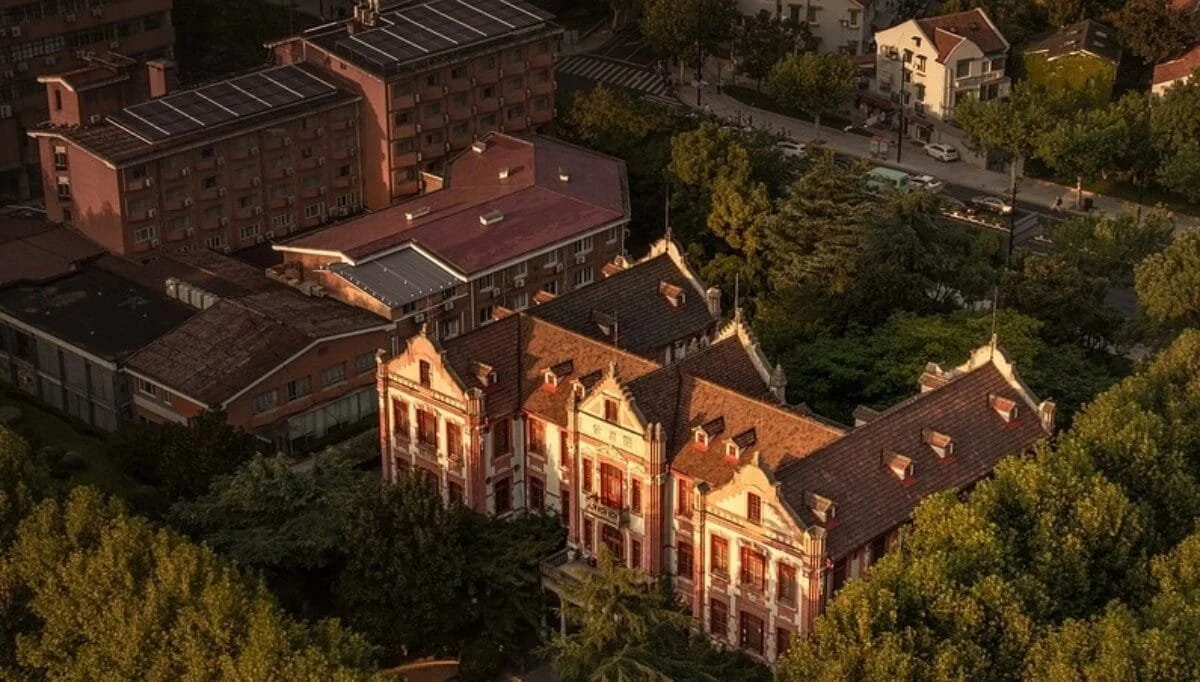
Shanghai Jiao Tong University (SJTU)
QS 2026: top 50. Strong in engineering, business, and biomedical sciences. Deep industry ties with Shanghai's corporate sector.
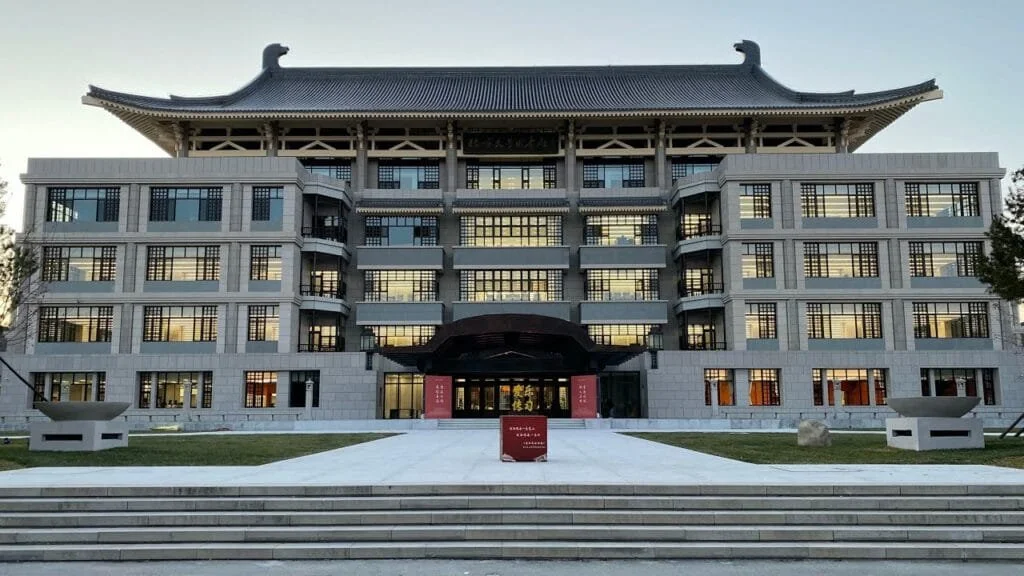
Peking University (PKU), Beijing
QS 2026: 14th globally. Strongest in sciences, humanities, law, and medicine. One of the most prestigious universities in Asia.
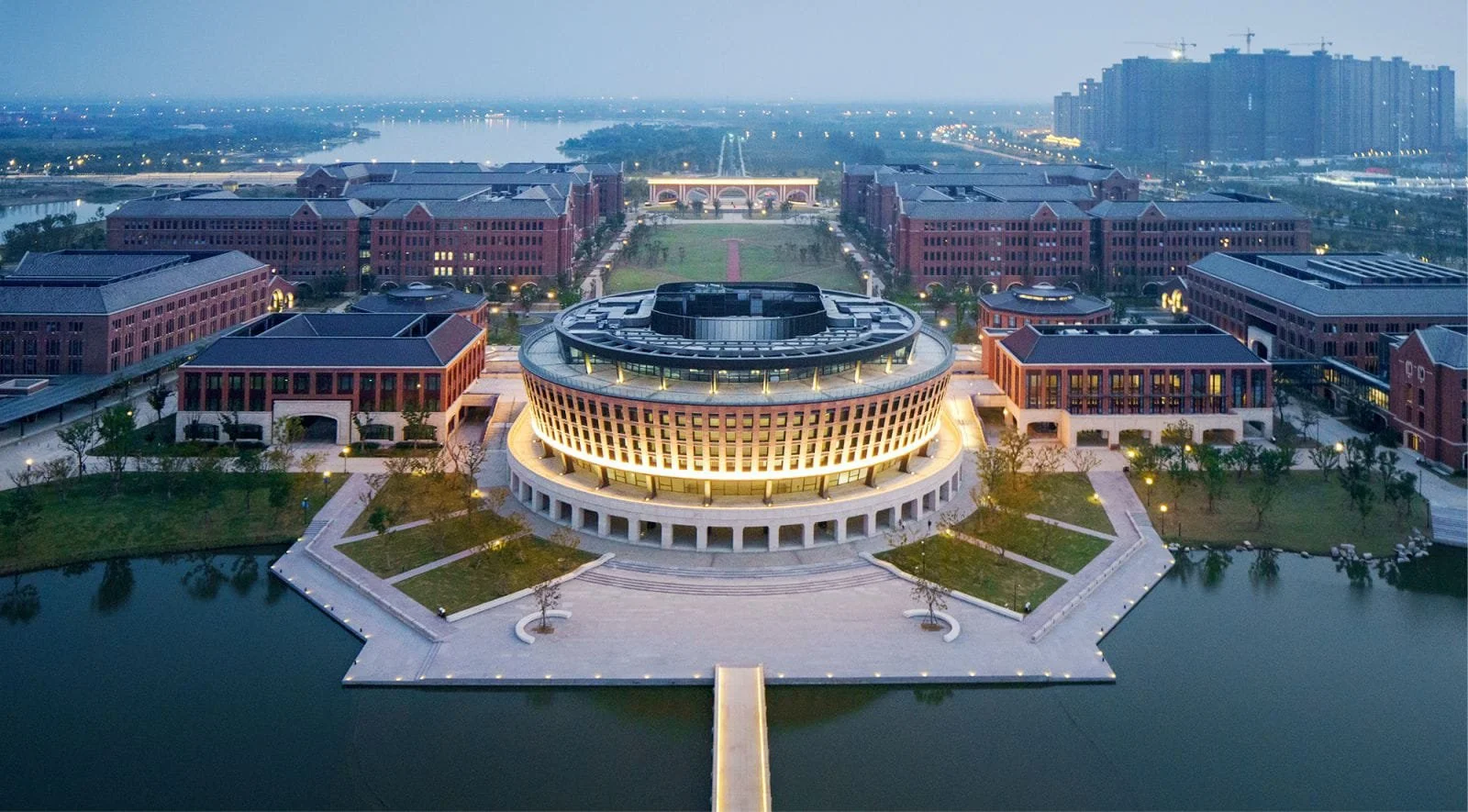
Zhejiang University, Hangzhou
QS 2026: top 50. Comprehensive university with strengths across engineering, agriculture, and computer science. Located in one of China's fastest-growing tech cities.
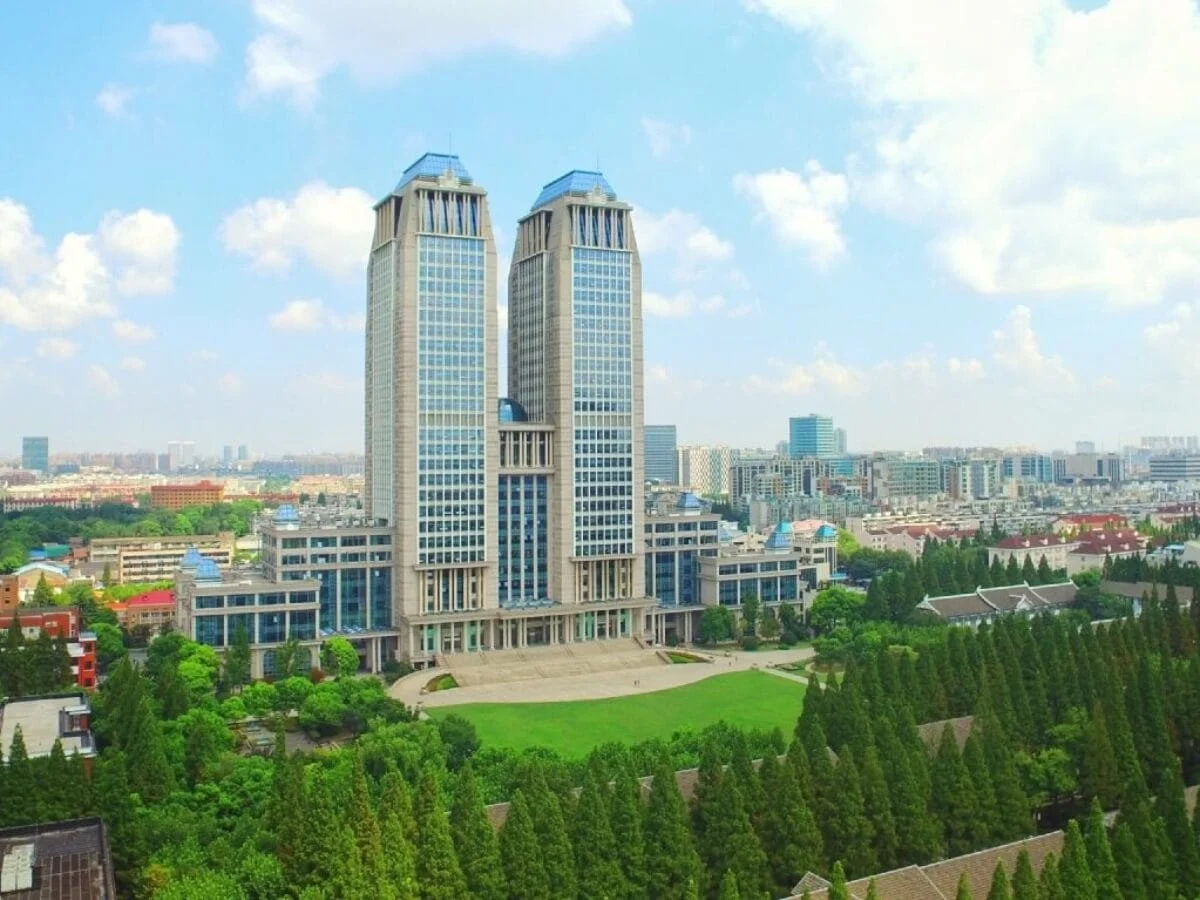
Fudan University, Shanghai
QS 2026: top 50. Known for business, economics, international relations, and medicine. Located in China's commercial capital.
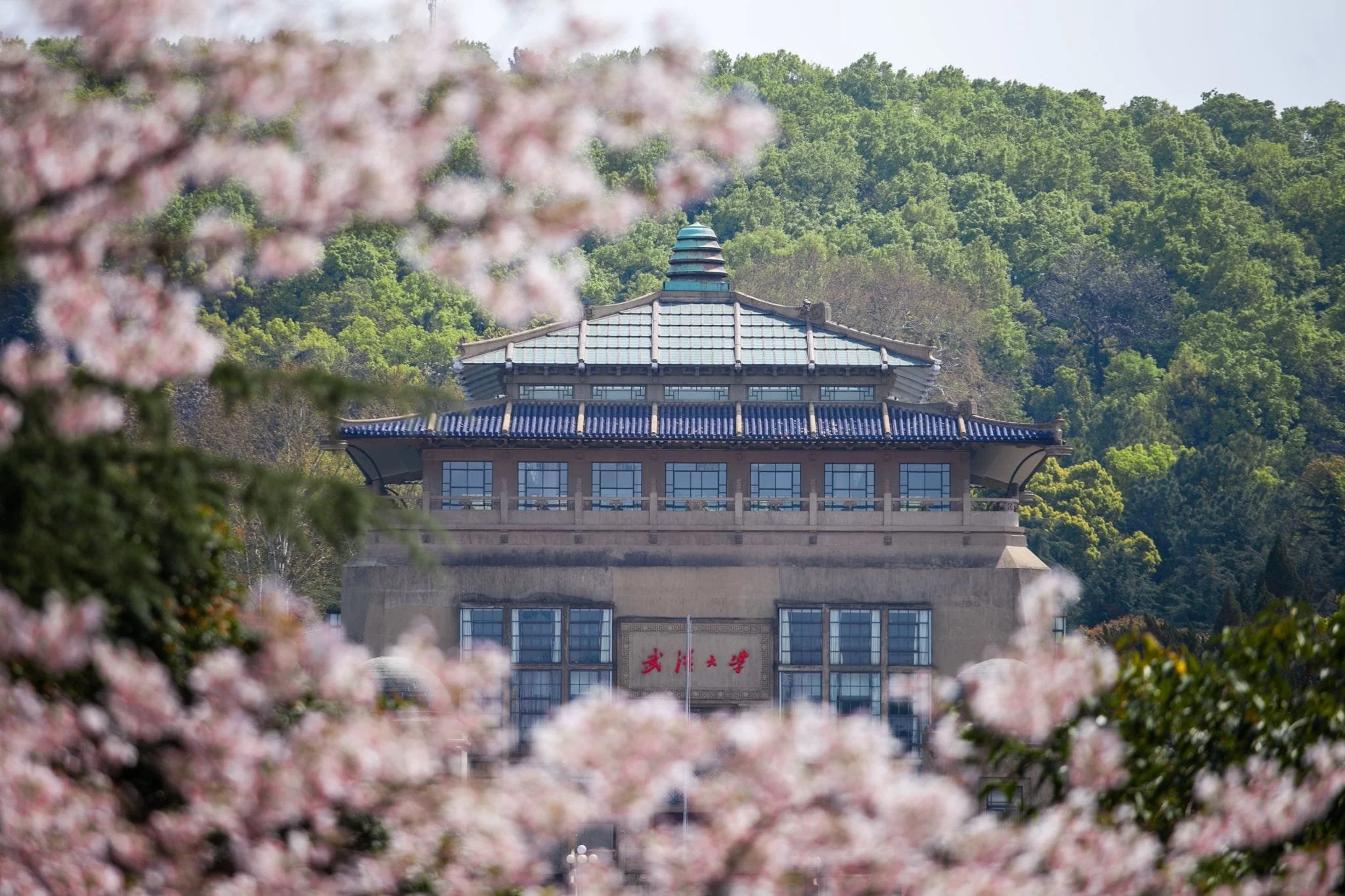
Wuhan University
Highly ranked Double First-Class university. Strong in law, literature, chemistry, and geospatial sciences. Lower cost of living compared to Beijing or Shanghai.
Hong Kong universities (HKU, CUHK, HKUST) are also part of our China advisory. Speak to us during the consultation if you are considering Hong Kong alongside mainland China.
Entry Requirements for Malaysian and Singaporean Students
Academic Qualifications Accepted
| Qualification | Notes |
|---|---|
| GCE A-Level | Widely accepted at top-tier universities | STPM | Accepted; stronger results required for competitive programmes |
| IB Diploma | Accepted across most Double First-Class universities |
| UEC | Accepted by many Chinese universities; some waive HSK for UEC holders |
| SPM/ O-Levels | Requires a foundation or bridging year before degree entry |
Choosing your language route
| Chinese-taught programmes | English-taught programmes | |
|---|---|---|
| Language requirement | HSK Level 5 or 6 | IELTS 6.0–6.5 or TOEFL 80–90 | Programme availability | Full range of courses | Limited to business, engineering, and medicine at most universities |
| Daily life | Mandarin still needed for daily life conversations | |
| Career positioning | Stronger for China-based or China-facing careers | Suited for regional or multinational career paths |
Not HSK-ready? A language bridging year at the university is an option before degree entry. We help you decide the right route during the consultation.
Application Timeline
01
DEC-JAN
Applications open for September Intake
02
MAR-MAY
Deadlines for most Universities and Scholarship
03
JUN-AUG
Results, visa(JW form)
04
SEPT
Main Intake
Tuition Fees, Living Costs, and the MOE Tuition Grant
| Estimated Annual Cost | |
|---|---|
| Annual tuition | CNY 20,000 – 45,000(SGD 4,000 – 9,000) | Living expenses | CNY 20,000 – 40,000 (SGD 4,000 – 8,000) |
Costs vary by city. Beijing and Shanghai sit at the higher end. Cities like Wuhan, Chengdu, and Hangzhou offer significantly lower living costs.
-
The CSC scholarship is China's flagship funding scheme for international students. It covers full tuition, on-campus accommodation, a monthly living allowance (CNY 2,500 to 3,500 depending on study level), and medical insurance.
Applications are competitive and must be submitted by March each year. Not all students qualify, and the scholarship comes with academic performance requirements. We help families assess eligibility and realistic expectations before applying.
-
Many Double First-Class universities offer their own scholarship schemes, ranging from partial tuition waivers to full awards. These are often merit-based and applied for alongside the university application.
OUR PROCESS
How We Help You Apply to Chinese Universities
Talent Abroad is a China education consultancy with direct knowledge of the Chinese university system. Our Malaysia to China university application service covers the full process:
Profile Assessment
We review academic standing, language ability, and career goals. We give you an honest assessment of which university tier and language route is realistic.
01
University and Course Shortlisting
We build a shortlist across Double First-Class universities based on academic fit, course availability, and whether English-taught or Chinese-taught programmes are the right path.
02
Language Route Planning
We confirm whether HSK, IELTS, or TOEFL is needed and what level to target. If a language-bridging year is required, we factor it into the timeline. Learn more about our HSK preparation course.
03
Scholarship Assessment
We assess eligibility for CSC and university-level scholarships. We set realistic expectations and help with the application where it makes sense.
04
Application Support
Document preparation, personal statements, and application submission. Learn more about our university application advisory.
05
Post-Admission Guidance
Offer evaluation, JW form and visa process guidance, and pre-departure preparation.
06
WHY TALENT ABROAD
How We Compare
Most education consultancies either specialise in Western destinations or act as placement agents for specific Chinese universities. As a study in China consultancy in Malaysia, Singapore and Asia, we take a different approach.
| Typical Education Agency | Talent Abroad |
|---|---|
| Places students into partner universities they represent | Advises across Double First-Class universities based on your profile | Treats China as a budget alternative to the West | Positions China as a strategic choice with distinct career advantages |
| Skips the language route decision | Helps you choose between Chinese-taught, English-taught, or bridging pathways |
| Limited knowledge of CSC and university scholarship systems | Assesses scholarship eligibility and realistic expectations upfront |
| Generalist across 10+ destinations | Specialises in China and Singapore as core destinations |
COMMON QUESTIONS
Frequently Asked Questions
Have questions about language routes, HSK requirements, CSC scholarships, or degree recognition in Malaysia? We have answered the most common questions from Malaysian, Singaporean and Asian families.
-
Some of the most prestigious universities include:
Tsinghua University
Peking University
Fudan University
Shanghai Jiao Tong University
Zhejiang University
These universities are globally ranked and highly competitive.
-
Most universities accept:
A-Level / STPM
High school certificates (varies by country)
Foundation or diploma (for some programmes)
Requirements differ depending on the university and programme.
-
It depends on your programme:
Chinese-taught programmes: HSK 4–6 required
English-taught programmes: No HSK required, but IELTS/TOEFL may be needed
Some universities offer foundation Chinese courses before degree programmes.
-
Estimated annual costs:
Tuition fees: USD 2,000 – 8,000
Living expenses: USD 3,000 – 6,000
China is one of the most affordable study destinations compared to Western countries.
-
Yes, there are many options:
Chinese Government Scholarship (CSC)
Provincial / city scholarships
University scholarships
Many ASEAN students receive partial or full scholarships.
-
Top universities (e.g. Tsinghua, Peking): Highly competitive
Mid-tier universities: Moderate difficulty
International-friendly universities: More accessible
Admission depends on academic results and programme demand.
-
No. The first 45-minute consultation is free. We use this session to assess your profile, understand your goals, and outline a realistic plan. There is no obligation to proceed after the consultation.

GET STARTED
Ready to Explore Chinese Universities?
Book a free 45-minute consultation. We will assess your profile, recommend the right universities and language route, and map out a clear application plan.